
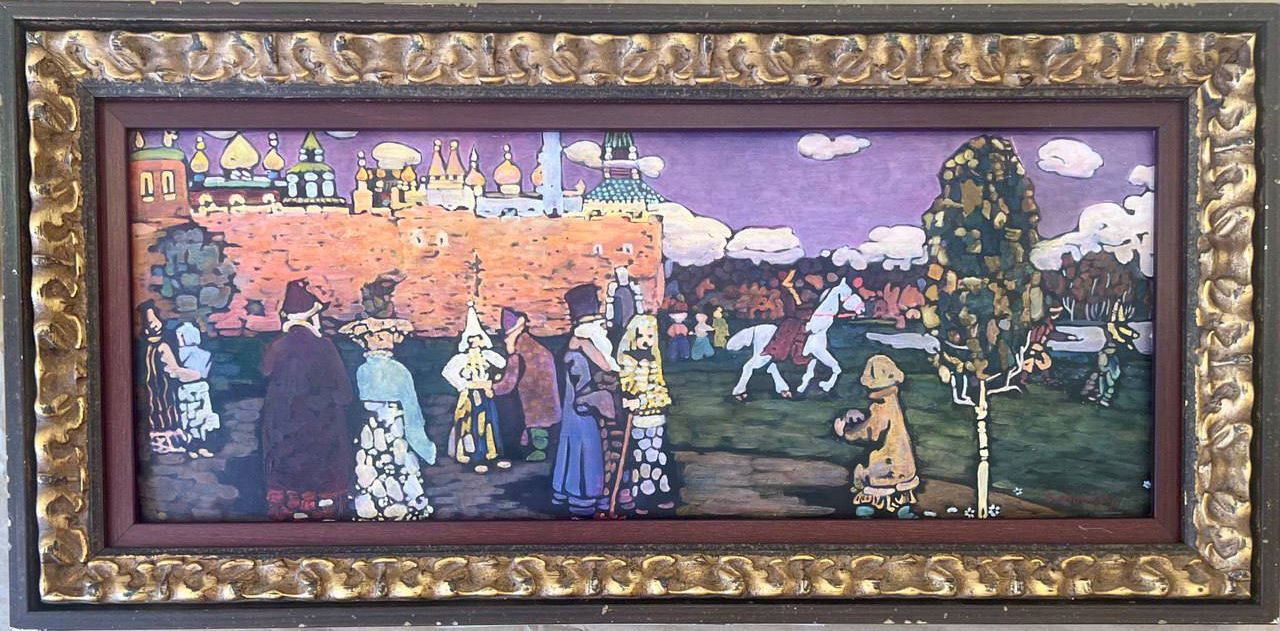
We are currently researching an early 20th-century work by Wassily Kandinsky, created during a formative period in which his artistic language was shaped by a deep engagement with Russian history, folklore, cultural traditions, and the world of old Russian legends and folk imagery. Before the abstract compositions for which he later became internationally renowned, Kandinsky explored themes rooted in Russia’s historical and cultural heritage.
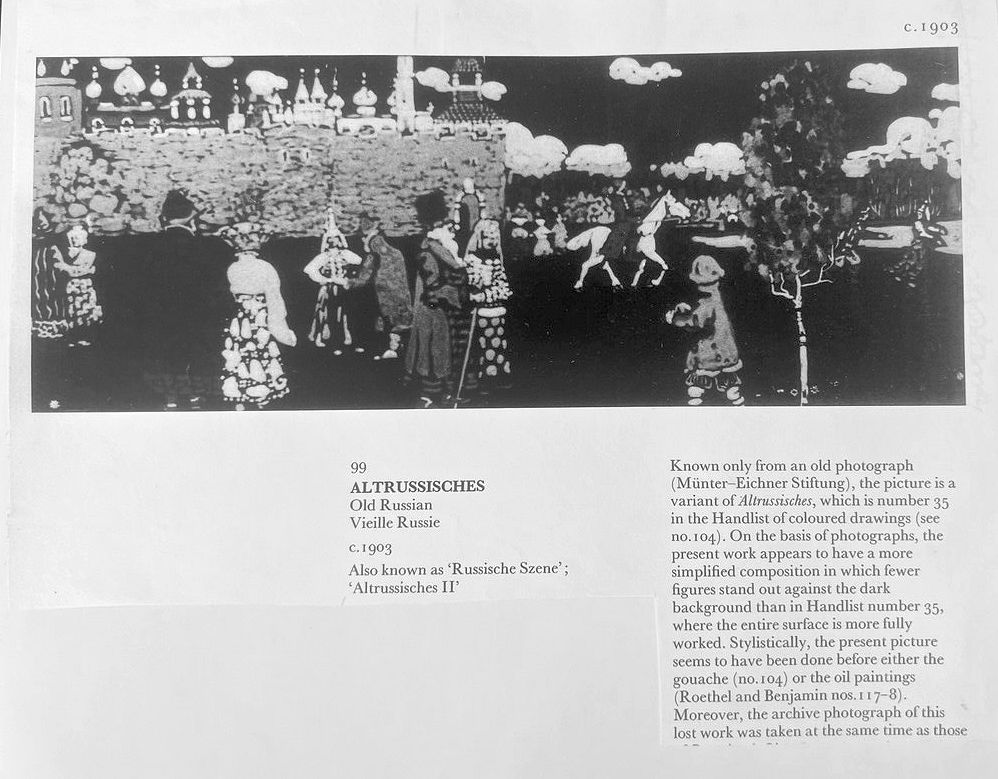
For many years, this work was known to specialists only through a black-and-white photograph published in the Catalogue Raisonné by Vivian Endicott Barnett.
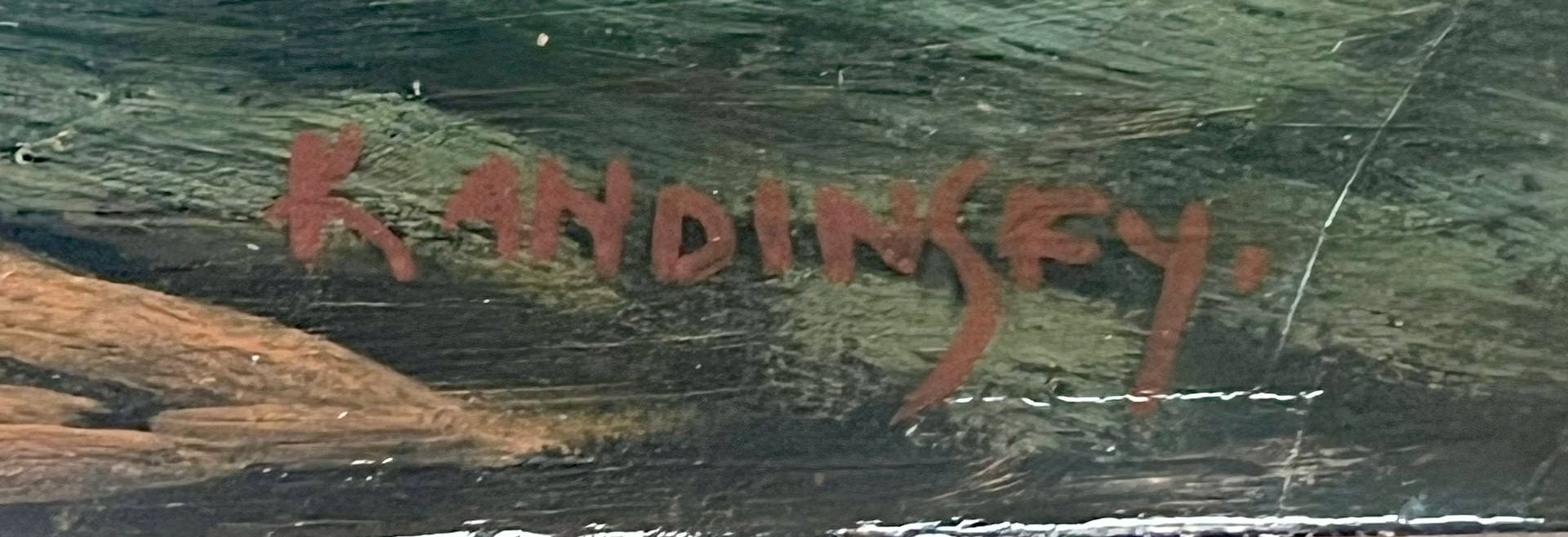
Today, we have the opportunity to study the original work itself and compare it directly with the published source. Our research includes a comparative analysis of the composition, examination of the artist’s signature, review of historical documentation, and further investigation into the work’s provenance and history.
Cases such as this remind us that the history of art is never truly complete. It is an ongoing process of discovery in which archival documents, newly available sources, and re-emerging works continue to expand our understanding and open new paths for research.
The photographs presented here document one stage of this ongoing study and offer a closer look at a work that, for decades, was known only through a single published image.
Research continues.
Anna Bushumova
We are currently researching an early 20th-century work by Wassily Kandinsky, created during a formative period in which his artistic language was shaped by a deep engagement with Russian history, folklore, cultural traditions, and the world of old Russian legends and folk imagery. Before the abstract compositions for which he later became internationally renowned, Kandinsky explored themes rooted in Russia’s historical and cultural heritage.
For many years, this work was known to specialists only through a black-and-white photograph published in the Catalogue Raisonné by Vivian Endicott Barnett.
Today, we have the opportunity to study the original work itself and compare it directly with the published source. Our research includes a comparative analysis of the composition, examination of the artist’s signature, review of historical documentation, and further investigation into the work’s provenance and history.
Cases such as this remind us that the history of art is never truly complete. It is an ongoing process of discovery in which archival documents, newly available sources, and re-emerging works continue to expand our understanding and open new paths for research.
The photographs presented here document one stage of this ongoing study and offer a closer look at a work that, for decades, was known only through a single published image.
Research continues.
Anna Bushumova